Imagine the crisp, invigorating taste of homemade soda, perfectly carbonated to your liking. While the soda maker machine often takes center stage, there’s an unsung hero quietly making all that effervescence possible: the soda maker bottle. This indispensable accessory is far more than just a container; it’s a precisely engineered vessel designed to withstand pressure, preserve flavor, and elevate your entire sparkling beverage experience. Understanding the nuances of your soda maker bottle, from its material to its maintenance, is key to unlocking the full potential of your home carbonation system and ensuring every sip is as delightful and safe as can be.
|
Our Picks for the Best Soda Maker in 2026
As an Amazon Associate I earn from qualifying purchases.
|
||
| Num | Product | Action |
|---|---|---|
| 1 | SodaStream - Terra Sparkling Water Maker - VALUE BUNDLE - CQC CO2 system - Includes 2x CO2 Cylinders, 3x 32 Fl Oz Dishwasher Safe Bottles, 2x Bubly Flavor Drops - Combine with Pepsi Flavors - Black |

|
| 2 | SodaStream Gaia Sparkling Water Maker, Black |
|
| 3 | Mysoda Ruby 2 Sparkling Water Maker - Soda Streaming Machine Silent Carbonated Water Machine Robust Long-Lasting Aluminium Soda Maker 1L Water Bottle Without CO2 Cylinder - Black Copper Soda Machine |
|
| 4 | Portable Soda Siphon, 1L Travel Sparkling Water Maker Machine for Home & Outdoor, Carbonated Water Soda Streaming Machine, Soda Maker for Cocktails or Fizzy Drink, 8 gram CO2 Cartridges(Not Included) |
|
| 5 | Sparkling Water Machine Soda Maker Beverage Drink Dispenser for Home, Soda Streaming with 1L BPA Free Bottle, 2 Portable Bottle for travel, Seltzer & Carbonator Srew-in 60L CO2 (NOT Included), Grey |
|
| 6 | Philips Soda Streaming Machine, Stainless Sparkling Water Maker Easy Install with Quick Twist 1L PET Carbonating Bottle, Soda Maker Compatible with 60L CO2 Carbonator (NOT Included), ADD4902BKOQ/37 |
|
| 7 | SodaStream Terra Sparkling Water Maker Bundle in Black - includes 3-Pack CO2 and Carbonating Bottle |
|
| 8 | Philips Sparkling Water Maker, Soda Streaming Machine with Quick Twist Bottle, 1L BPA free PET Carbonating Bottle, Soda Maker Compatible with 60L CO2 Carbonator (NOT Included), ADD4902BKOQ/37 |
|
| 9 | SodaStream - Terra Soda Streaming Machine - STARTER KIT - Sparkling Water Maker with CO2 & Bubly Drop - Eco-Friendly, No Batteries Needed - Black |
|
| 10 | iSi North America Classic Sodamaker, 1 Quart - Stainless Steel Carbonation System for Sparkling Water, Fresh Beverages, Handcrafted Cocktails - Portable & Professional Soda Maker for Restaurant Use |
|
The Unsung Hero: Why Your Soda Maker Bottle Matters
More Than Just a Container: The Science of Carbonation
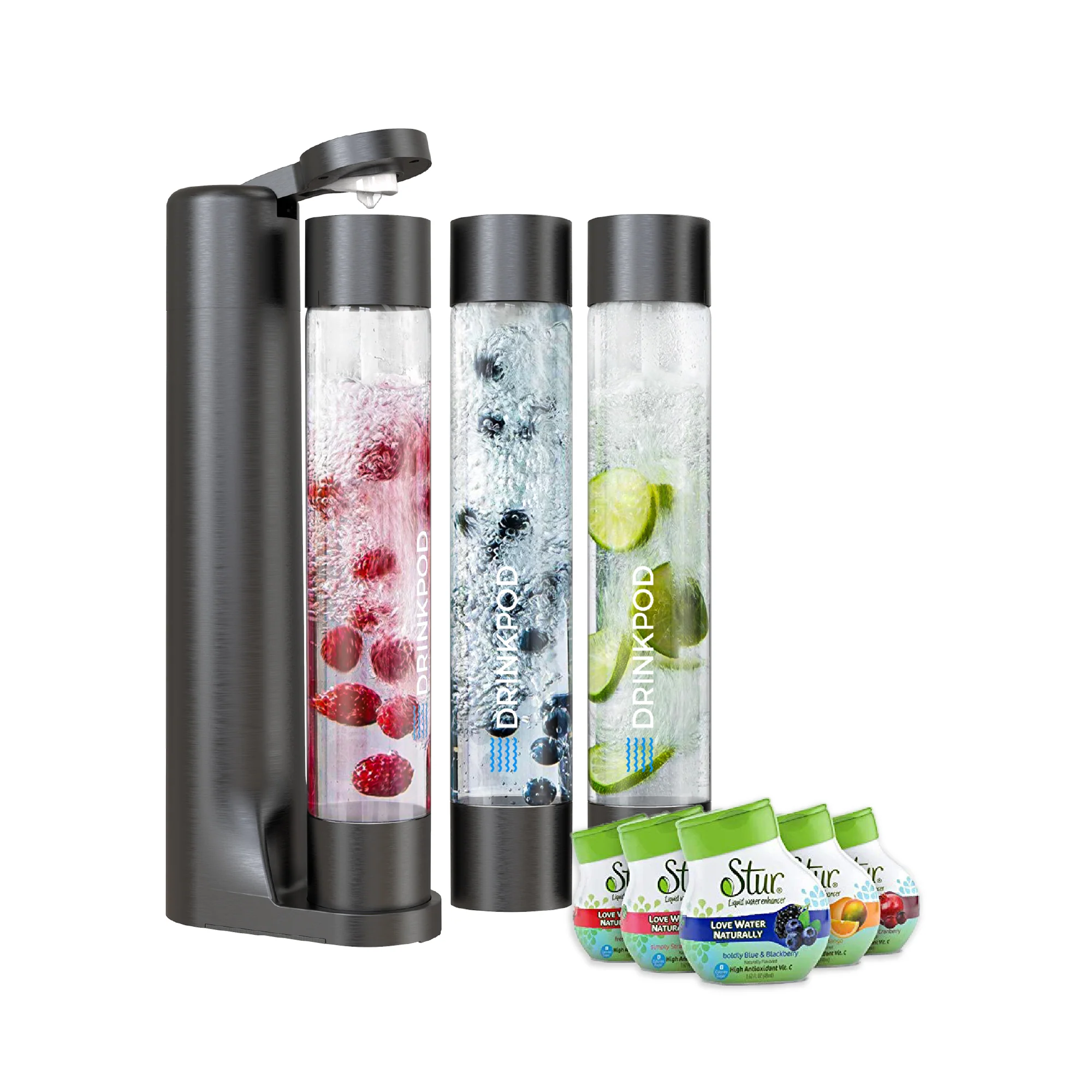
At its heart, a soda maker creates carbonated beverages by dissolving carbon dioxide gas into water under pressure. This seemingly simple process relies heavily on the integrity and design of the vessel holding the liquid. The soda maker bottle isn’t just a standard water bottle; it’s specifically constructed to handle the significant internal pressure generated during carbonation, which can be several times higher than atmospheric pressure. Without a bottle engineered for this task, the carbonation process would be inefficient, messy, or even dangerous.
The Pressure Point: Why Specialized Bottles are Key
The unique design of a soda maker bottle ensures a secure seal and robust construction capable of containing high-pressure gas. Its neck and threading are precisely matched to your soda maker’s carbonation nozzle, preventing leaks and maximizing carbonation efficiency. Using an ordinary bottle, even a thick plastic one, is a significant safety risk, as it’s not built to withstand such internal forces and could rupture. This specialized engineering is why investing in the correct soda maker bottle is non-negotiable for safety and optimal performance.
Understanding Bottle Materials: PET vs. Glass
When choosing a soda maker bottle, you’ll primarily encounter two materials:
- PET (Polyethylene Terephthalate) Plastic: These are the most common type of soda maker bottle. They are lightweight, durable, and generally more affordable. PET bottles are excellent for portability and less prone to shattering if dropped. However, they have a finite lifespan and an expiration date due to the material gradually weakening under repeated pressure cycles.
- Glass: Glass soda maker bottles offer a premium feel and are often preferred for aesthetic reasons and for serving directly at the table. They do not absorb odors or flavors, ensuring the purest taste, and crucially, they do not have an expiration date related to structural integrity. Glass bottles are heavier and more fragile than PET, making them less ideal for travel, but they represent a more sustainable, long-term option for home use.
Choosing the Right Bottle for Your Fizz Journey
Compatibility is King: Finding Your Perfect Match
One of the most crucial aspects of selecting a soda maker bottle is ensuring its compatibility with your specific carbonation machine. Most soda maker brands design their bottles with proprietary fittings, meaning a SodaStream bottle will typically only work with a SodaStream machine, and an Aarke bottle with an Aarke machine, and so on. This isn’t merely a marketing ploy; it’s a safety feature to guarantee a secure connection and prevent leaks during the high-pressure carbonation process. Always check your machine’s manual or the manufacturer’s website for a list of compatible bottles before purchasing.
Size and Style: Options for Every Occasion
Soda maker bottles come in various sizes and aesthetic designs to suit different needs. Common sizes include 0.5-liter bottles, perfect for personal servings or taking on the go, and 1-liter bottles, ideal for family meals or entertaining guests. Some brands also offer larger capacities. Beyond size, manufacturers often provide bottles in a range of colors and designs, allowing you to personalize your setup or find options that complement your kitchen décor. Whether you prefer sleek stainless steel accents, vibrant hues, or classic clear designs, there’s a soda maker bottle to match your style.
“A well-chosen soda maker bottle is an extension of your lifestyle,” says Clara Jenkins, a beverage innovation expert. “It’s not just about functionality; it’s about finding a bottle that fits your daily routine, whether that’s a compact size for your commute or an elegant glass carafe for your dinner party.”
Modern soda makers, such as those from AquaFizz, are designed with user convenience and safety in mind, integrating seamlessly with their specially designed soda maker bottle range. These machines often feature quick-connect mechanisms that make attaching and detaching the bottle effortless, reducing the chance of error and enhancing the overall user experience. The robust construction of the machine itself is complemented by the durable nature of its bottles, ensuring consistent carbonation and a long product lifespan. From entry-level models perfect for beginners to advanced machines offering customizable fizz levels, the choice of soda maker often dictates the compatible bottle system, emphasizing the interconnectedness of these two vital components for crafting the perfect sparkling drink.
Mastering the Art of Soda Maker Bottle Care
Lifespan and Liveliness: When to Replace Your Bottle
Plastic (PET) soda maker bottles come with an expiration date, typically stamped on the bottle itself. This date, usually 2-3 years from the manufacturing date, is not arbitrary. Over time, the plastic can become brittle and weaken due to repeated exposure to high pressure during carbonation and daily use. Using an expired soda maker bottle significantly increases the risk of it cracking or rupturing during carbonation, which can be dangerous. Glass bottles, however, do not have such an expiration date related to material fatigue. Replace plastic bottles promptly when their expiration date is reached or if you notice any signs of wear, such as cracks, scratches, or discoloration.
Decoding the Expiration Date on PET Bottles
The expiration date is a critical safety reminder for plastic soda maker bottles. It’s usually found near the base of the bottle or embossed into the plastic. Make it a habit to check this date regularly. Even if a plastic bottle looks fine, adhering to the expiration date is crucial for safety. For households that use their soda maker frequently, having several replacement soda maker bottles on hand is a smart strategy to ensure you always have a fresh, safe bottle ready to go.
Sparkling Clean, Inside and Out: Best Cleaning Practices
Proper cleaning extends the life of your soda maker bottle and ensures your drinks always taste fresh.
- Rinse Immediately: After each use, rinse the bottle with cool or lukewarm water.
- Hand Wash Preferred: For most PET bottles, hand washing with mild dish soap and a bottle brush is recommended. Hot water and dishwashers can warp or damage the plastic, compromising its structural integrity.
- Check Dishwasher Safety: Some specific models of glass and even certain PET bottles are dishwasher safe. Always check the manufacturer’s instructions. If it’s dishwasher safe, place it on the top rack.
- Air Dry Thoroughly: Allow bottles to air dry completely upside down to prevent mold or mildew growth.
- Avoid Abrasives: Do not use abrasive cleaners, harsh chemicals, or metal scrubbers, as these can scratch the bottle’s surface and weaken the material.
Beyond Water: Creative Uses and Safety First
Your Canvas for Creativity: Tips for Flavoring and Mixes
While soda makers are primarily designed for carbonating plain water, the soda maker bottle is your vessel for endless creative beverage possibilities after carbonation. Once your water is perfectly fizzy, you can transform it into a sparkling sensation by adding:
- Fruit Syrups: Homemade or store-bought fruit syrups.
- Fresh Fruit Slices: Lemons, limes, berries, cucumbers.
- Herbs: Mint, basil, rosemary for an aromatic twist.
- Juices: A splash of cranberry or orange juice for a fruity fizz.
- Cocktail Mixers: Create sparkling bases for your favorite cocktails or mocktails.
Remember, always add flavors after carbonating the water to avoid damaging your machine and to prevent messy overflows due to reactive ingredients.
Safety First: Essential Guidelines for Using Your Bottle
Adhering to safety guidelines is paramount when using your soda maker bottle. These simple rules ensure both your well-being and the longevity of your equipment:
- Only Carbonate Water: As a general rule, only carbonate plain water in your soda maker. Carbonating other liquids can cause foaming, blockages, or excessive pressure buildup, leading to potential damage or injury.
- Respect the Fill Line: Never fill your soda maker bottle above the designated fill line. Overfilling can lead to spills and improper carbonation.
- Inspect Before Use: Always quickly check your bottle for any signs of damage, such as cracks or deep scratches, before carbonating.
- Handle with Care: Always handle carbonated bottles carefully, especially glass ones, to avoid accidental drops or impacts.
- Store Properly: Store empty soda maker bottles in a clean, dry place away from direct sunlight or extreme temperatures.
The Eco-Friendly Fizz: Sustainability and Your Soda Maker Bottle
Reducing Waste, One Bottle at a Time
Embracing the soda maker bottle as part of your daily routine is a powerful step towards a more sustainable lifestyle. By making your own sparkling beverages at home, you significantly reduce reliance on single-use plastic bottles and aluminum cans from store-bought sodas and sparkling waters. This simple switch contributes directly to minimizing plastic waste that often ends up in landfills or oceans, impacting ecosystems for centuries. Each time you refill your soda maker bottle, you’re making a conscious choice to lessen your environmental footprint.
The Environmental Impact of Reusable Bottles
The long-term environmental benefits of reusable soda maker bottles are substantial. A single reusable bottle can replace hundreds, if not thousands, of single-use bottles over its lifespan. This not only conserves resources used in the manufacturing of new disposable containers but also reduces the energy consumed and carbon emissions generated during transportation and recycling processes. Opting for glass soda maker bottles further enhances this eco-friendly approach, as glass is endlessly recyclable and doesn’t degrade over time, offering a truly circular solution for your sparkling beverage needs.
Frequently Asked Questions
Q: Can I use any water bottle in my soda maker?
A: No, you should only use soda maker bottles specifically designed and approved by the manufacturer of your soda maker. These bottles are engineered to withstand the high internal pressure generated during carbonation, and using a standard water bottle can be dangerous.
Q: How do I know when to replace my plastic soda maker bottle?
A: Plastic (PET) soda maker bottles have an expiration date stamped on them, usually 2-3 years from manufacturing. You should replace them when they reach this date, or sooner if you notice any visible damage like cracks, scratches, or discoloration.
Q: Are glass soda maker bottles better than plastic ones?
A: “Better” depends on your priorities. Glass bottles offer a premium feel, don’t absorb flavors, and have no expiration date due to material fatigue, making them a long-term, sustainable choice. Plastic bottles are lighter, more durable for travel, and generally more affordable, but they do have a limited lifespan.
Q: What’s the best way to clean my soda maker bottle?
A: Most soda maker bottles, especially plastic ones, should be hand-washed with mild dish soap and lukewarm water. Avoid hot water and harsh detergents, which can damage the plastic. Some glass bottles are dishwasher safe; always check the manufacturer’s instructions.
Q: Can I put juice or other liquids in my soda maker bottle for carbonation?
A: It is strongly recommended to only carbonate plain water in your soda maker bottle. Carbonating other liquids like juice, syrup, or wine can cause excessive foaming, blockages, and pressure buildup, potentially damaging your machine and creating a hazardous situation. Add flavors after carbonation.
Conclusion
The humble soda maker bottle is an indispensable component of your home carbonation system, embodying a blend of specialized design, safety, and sustainable living. From its robust construction designed to harness fizz to the choice between durable PET and elegant glass, understanding your soda maker bottle is crucial for a safe and enjoyable experience. By prioritizing compatibility, adhering to proper cleaning and maintenance, and respecting safety guidelines, you ensure every sip of homemade sparkling refreshment is as perfect as intended. Embrace the journey of creating your own custom beverages, knowing that your reliable soda maker bottle is at the heart of every delightful, effervescent creation, contributing to both your enjoyment and a greener planet.