In today’s dynamic culinary landscape, where consumer preferences are constantly evolving, businesses are seeking innovative ways to captivate their clientele. The humble beverage, once an afterthought, has emerged as a cornerstone of the customer experience. This is where the Industrial Soda Maker steps in, transforming how establishments from bustling cafes to large-scale production facilities create and serve carbonated drinks. Far beyond a simple countertop gadget, these robust systems are pivotal for delivering quality, variety, and efficiency, setting a new standard for beverage service and production.
What Exactly is an Industrial Soda Maker?
When we talk about an industrial soda maker, we’re delving into a realm of professional-grade equipment designed for sustained, high-volume operation, distinct from the smaller units used at home. This isn’t just about adding fizz; it’s about precision engineering for commercial demands.
Beyond the Kitchen Counter: Defining Industrial vs. Home/Small Commercial
While home soda makers offer convenience for personal use, an industrial soda maker is built for endurance, consistency, and scale. These machines handle continuous usage, often for many hours a day, providing perfectly carbonated beverages for numerous customers. They integrate seamlessly into a business’s workflow, whether it’s a self-service station at a diner or a high-speed bottling line.
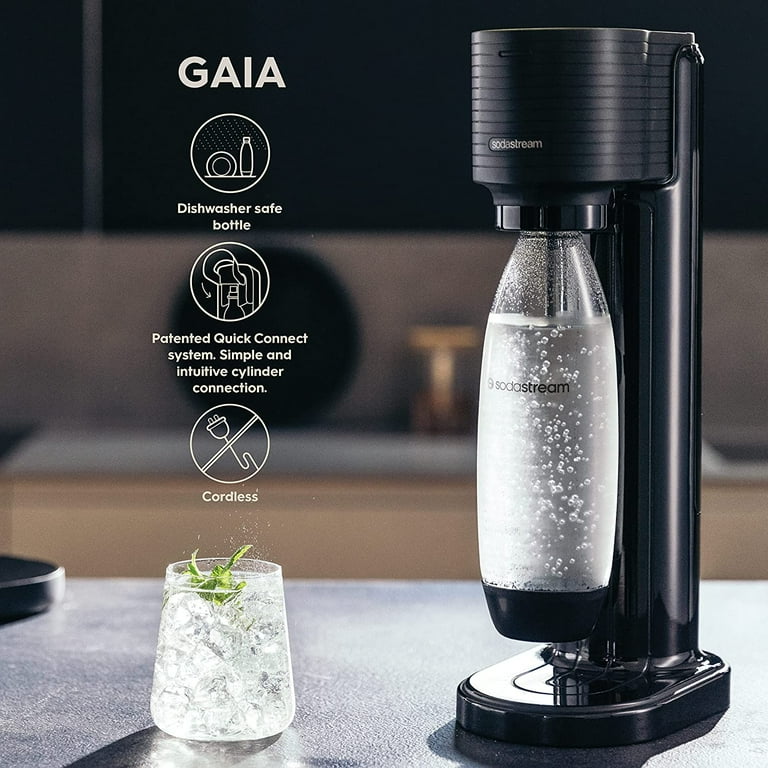
The Spectrum of Industrial Solutions: From High-Volume Dispensers to Bottling Plants
The term “industrial soda maker” covers a broad spectrum. On one end, you have sophisticated commercial fountain dispensers found in restaurants, bars, and convenience stores. These focus on immediate, on-demand serving. On the other, you find truly industrial-scale premix units and bottling plants capable of deaerating, mixing, carbonating, and filling thousands of liters per hour for distribution. Even smaller, robust commercial tabletop units exist, designed for cafes needing to carbonate a few dozen bottles an hour with greater efficiency than a home device.
The Unseen Mechanics: How Industrial Soda Makers Work
At its heart, an industrial soda maker is a marvel of fluid dynamics and gas infusion. Understanding its core mechanisms helps appreciate the consistency and quality it delivers.
Key Components: Carbonators, Syrup Systems, and Cooling Units
Every effective industrial soda maker relies on several critical components. The carbonator is the brain of the operation, responsible for infusing water with carbon dioxide gas under pressure. This process is far more efficient and precise than manual methods. Syrup systems, often utilizing Bag-in-Box (BIB) technology, connect concentrated syrups directly to the dispenser, ensuring a continuous supply and minimizing waste. Finally, robust cooling units are paramount, as cold water holds carbonation much better, guaranteeing a crisp, refreshing beverage with every pour. Additional elements include CO2 tanks, water filters, and various dispensing valves.
The Carbonation Process: Fizz on Demand
The process begins with filtered water entering the carbonator, where it’s chilled and then saturated with food-grade CO2 gas. This creates highly carbonated water, ready to be mixed. When a drink is requested, the carbonated water and concentrated syrup are proportioned and mixed at the point of dispense, often through specialized valves. This “post-mix” method ensures optimal freshness and allows for a vast array of beverage options from a single system. For bottling operations, this mixing and carbonation might happen in a large premix unit before the liquid moves to the filling lines.
Types of Industrial Soda Makers and Their Applications
The versatility of industrial soda makers means there’s a solution for nearly every business need, from customer-facing service to large-scale beverage manufacturing.
Commercial Fountain Systems: Restaurants, Bars, Cafes
These are perhaps the most recognizable form of industrial soda makers. Found in eateries, bars, and quick-service restaurants, commercial fountain systems typically combine ice dispensing with multiple beverage valves. They offer convenience for both staff and customers, with options ranging from push-button to self-serve levers. Key features include high-capacity ice bins, portion control valves to manage costs, and a wide selection of flavors from Bag-in-Box syrups. These systems significantly enhance speed of service and customer satisfaction.
High-Capacity Production Units: Bottling and Distribution
For beverage manufacturers, large-scale catering companies, or even innovative hospitality groups looking to create their own branded drinks, high-capacity industrial soda makers are essential. These “premix units” perform the entire beverage creation process: deaerating water, precisely blending syrups and flavors, and then carbonating the mixture before it moves to bottling, canning, or kegging lines. Such systems can produce thousands of liters of carbonated beverages per hour, ensuring consistent quality across massive production runs.
Smaller-Scale, Robust Commercial Options
While not as large as bottling plants, some businesses require more than a home unit but less than a full fountain system. These include specialized cafes, small event caterers, or independent gourmet soda producers. Options here might include heavy-duty tabletop carbonators that can process multiple bottles per minute, offering more robust construction and faster carbonation cycles than consumer-grade models. These bridge the gap, providing commercial-grade reliability for specific, mid-volume needs.
Beyond the Bubbles: Strategic Advantages for Your Business
Investing in an industrial soda maker offers a cascade of benefits that extend far beyond simply having carbonated drinks on tap. These advantages touch every facet of business operations, from finances to environmental impact.
Unlocking Profitability: Cost Savings and ROI
One of the most compelling reasons to adopt an industrial soda maker is the significant cost savings. By purchasing syrups in concentrated Bag-in-Box formats, businesses can reduce their per-serving beverage cost by as much as 50% compared to buying pre-packaged bottles or cans. A typical 5-gallon BIB syrup can yield 30 gallons of finished soda, translating to remarkable profit margins, often exceeding 80% for post-mix systems. This direct impact on the bottom line is a game-changer for businesses seeking to maximize their return on investment.
Efficiency Redefined: Streamlined Operations and Speed
In fast-paced environments, efficiency is key. Industrial soda makers streamline beverage service, reducing wait times and freeing up staff to focus on other tasks. Self-serve options, in particular, empower customers and further decrease labor costs. Furthermore, Bag-in-Box systems simplify inventory management, eliminating the need to store cumbersome cases of bottles and cans, thereby optimizing valuable storage space. This operational agility contributes to smoother service, especially during peak hours.
Crafting Unique Experiences: Customization and Variety
Modern consumers crave choice and personalization. Industrial soda makers excel at delivering this. With multiple dispensing valves, businesses can offer an extensive range of classic sodas, diet options, sparkling water, and even custom-crafted, unique flavor combinations. This ability to mix and match allows for the creation of signature beverages, differentiating an establishment and enhancing the overall customer experience. Guests appreciate the freshness and the freedom to customize their drinks.
A Greener Footprint: Environmental Responsibility
Sustainability is no longer a niche concern; it’s a core expectation for many consumers. Industrial soda makers offer a significantly more eco-friendly alternative to single-use bottled and canned beverages. By utilizing concentrated syrups and reusable CO2 tanks, businesses dramatically reduce plastic and aluminum waste, lowering their carbon footprint. The lighter weight and reduced volume of Bag-in-Box syrups also mean less fuel consumed in transportation and less waste sent to landfills, aligning businesses with vital environmental goals.
“Adopting an industrial soda maker isn’t just a smart business decision; it’s a statement,” says Dr. Evelyn Reed, a renowned beverage innovation consultant. “It signals a commitment to quality, efficiency, and sustainability that resonates deeply with today’s conscious consumer base.”
Choosing the Right Industrial Soda Maker: What to Consider
Selecting the ideal industrial soda maker for your operation requires careful consideration of several factors to ensure it meets your specific needs and long-term goals.
Capacity and Scale: Matching Your Business Needs
The first step is to accurately assess your expected beverage volume. Are you a small cafe serving a few dozen drinks daily, or a large restaurant with hundreds of patrons? Perhaps you’re a microbrewery looking to produce sparkling seltzers, or a factory aiming for mass distribution. Production capacities range from a few hundred liters per hour for small commercial units to over 10,000 liters per hour for large bottling lines. Matching the machine’s capacity to your scale of operation prevents both underutilization and bottlenecks.
Features that Matter: Valves, Cooling, and Controls
Look for features that enhance functionality and user experience. The number and type of dispensing valves (push-button, self-serve, portion control) should align with your service model. The cooling system is crucial for consistent carbonation; options include ice bank cooling or integrated refrigeration. Consider advanced controls, such as digital interfaces or remote monitoring, for easier management and troubleshooting. Don’t forget plumbing access and durability – these machines are workhorses.
Maintenance and Support: Ensuring Longevity
An industrial soda maker is an investment, and its longevity depends on proper maintenance and reliable support. Inquire about the ease of cleaning, availability of spare parts, and the manufacturer’s warranty and service network. Regular cleaning and preventative maintenance are essential to prevent buildup, maintain hygiene, and ensure optimal performance for years to come. Choosing a reputable brand with strong customer support can save significant headaches down the line.
Tips for Optimizing Your Industrial Soda Maker Experience
Once your industrial soda maker is in place, a few best practices can help you get the most out of your investment, ensuring peak performance and customer satisfaction.
Quality Ingredients: Water and Syrups
The quality of your final product starts with your ingredients. Always use filtered water to ensure a clean taste and prevent mineral buildup in your machine. Experiment with high-quality syrups, including traditional flavors, natural extracts, and even organic options, to cater to diverse palates. The better your inputs, the better your output.
Regular Cleaning and Maintenance Schedule
Establish a strict cleaning schedule. Components like dispensing nozzles, drip trays, and syrup lines should be cleaned regularly to prevent bacterial growth and maintain optimal taste. Follow the manufacturer’s guidelines for deep cleaning and periodic maintenance to ensure all parts are functioning correctly and to extend the life of your equipment.
Creative Flavors and Seasonal Offerings
Don’t be afraid to innovate! Leverage the versatility of your industrial soda maker to offer seasonal specials or limited-edition flavors. Think fresh fruit infusions, herb-infused sparkling waters, or custom soda blends that become your establishment’s signature. This keeps your beverage menu exciting and encourages repeat visits.
FAQ
What’s the typical lifespan of an industrial soda maker?
With proper maintenance and regular cleaning, a high-quality industrial soda maker can typically last between 10 to 15 years, and often even longer in some commercial settings.
How often should an industrial soda maker be cleaned?
Daily cleaning of external surfaces and dispensing nozzles is recommended. Internal components and syrup lines should undergo a thorough cleaning process weekly or bi-weekly, depending on usage volume and manufacturer recommendations.
Can I use any syrup with an industrial soda maker?
Most industrial soda makers are designed for Bag-in-Box (BIB) concentrated syrups. While many brands offer universal BIB connectors, it’s essential to check compatibility with your specific machine model and ensure the syrup’s quality and concentration ratio are appropriate.
What are the initial setup costs for an industrial soda maker?
Initial setup costs can vary significantly based on capacity, features, and brand, ranging from a few thousand dollars for commercial fountain dispensers to tens of thousands for high-capacity bottling units, plus the cost of CO2 tanks and initial syrup supply.
Are industrial soda makers truly more eco-friendly?
Yes, industrial soda makers significantly reduce environmental impact by eliminating the need for single-use plastic bottles and aluminum cans. The use of concentrated syrups and reusable CO2 tanks drastically cuts down on waste and transportation emissions.
Conclusion
The industrial soda maker is more than just a piece of equipment; it’s a strategic asset for any business in the beverage industry. From delivering unparalleled cost savings and operational efficiency to enabling limitless customization and promoting environmental responsibility, these powerful machines are redefining beverage service. By embracing the capabilities of an industrial soda maker, businesses can elevate their offerings, delight customers, and solidify their position as leaders in innovation and quality. It’s an investment not just in a machine, but in the future of your brand’s sparkling success.