The quest for fresh, personalized sparkling beverages at home has never been more popular, and at the heart of this fizzy revolution lies the Philips Soda Maker. While the sleek design and ease of use often grab initial attention, the true hero making those delightful bubbles possible is the Philips Soda Maker Co2 Cylinder. This unassuming component is crucial for transforming ordinary tap water into refreshing sparkling drinks, allowing you to craft everything from simple seltzer to custom flavored sodas right in your kitchen.
Embracing a Philips Soda Maker means stepping into a world of convenience, sustainability, and endless flavor possibilities. No more lugging heavy bottles from the store or accumulating mountains of plastic waste. Instead, you get to enjoy on-demand effervescence, tailored precisely to your taste. But to keep the bubbles flowing, understanding your CO2 cylinder – how it works, its compatibility, and how to properly manage it – is key. Let’s dive deep into everything you need to know about the Philips Soda Maker CO2 cylinder and unlock its full potential.
The Heart of Your Fizz: Understanding Philips CO2 Cylinders
At its core, a Philips CO2 cylinder is a carefully engineered vessel designed to deliver food-grade carbon dioxide into your water, creating that invigorating fizz you love. Each cylinder contains 99.9% pure beverage-grade CO2, ensuring that every bubble you create is clean and safe for consumption. This high-quality CO2 is essential for producing the crisp, consistent carbonation that defines premium sparkling water.
A single Philips CO2 cylinder is quite efficient, typically capable of carbonating up to 60 liters of water. Imagine the equivalent in single-use plastic bottles – that’s a significant reduction in waste! This impressive capacity means fewer trips to the store for replacements and a more streamlined home sparkling experience. Beyond the sheer volume, these cylinders are built for convenience, designed for straightforward installation and an eco-friendly exchange process. They represent a fundamental shift towards a more sustainable and personalized hydration habit.
Compatibility Unpacked: Which Cylinders Work with Your Philips Soda Maker?
One of the most common questions sparkling water enthusiasts have is about CO2 cylinder compatibility. When it comes to Philips Soda Makers, particularly models like the GoZero, there’s good news for flexibility. Philips manufactures its own high-quality screw-in CO2 cylinders (like the ADD913/37 model), which are designed to seamlessly integrate with their machines.
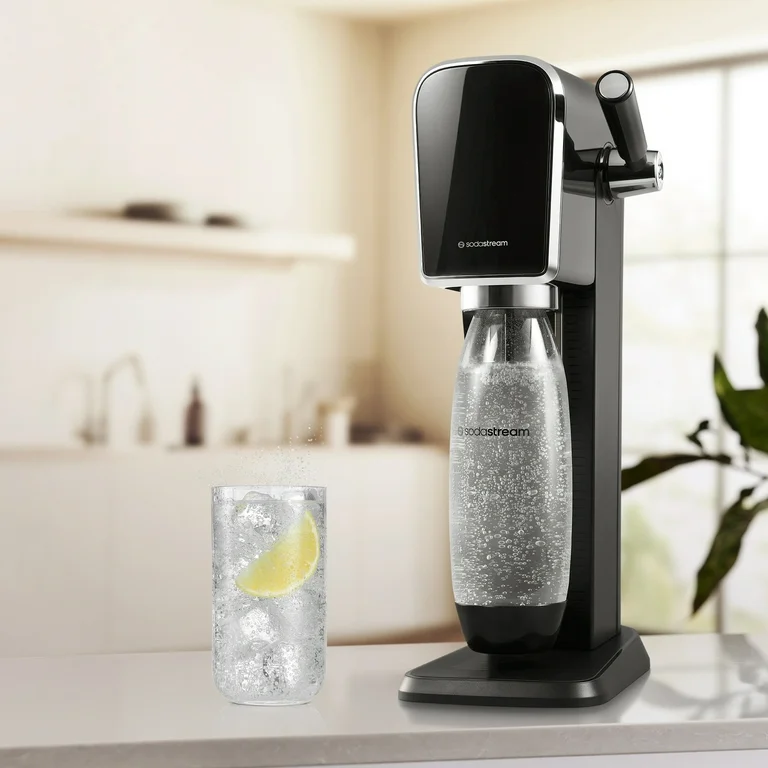
However, the versatility extends beyond just the Philips brand. Most Philips soda makers, including the GoZero, utilize the standard screw-in valve system. This means that Philips CO2 cylinders are widely compatible with many other screw-in soda makers on the market, including popular brands like Drinkmate, Aarke, Ninja, and even most SodaStream models (with the important exception of SodaStream’s newer “quick-connect” models like Terra, Gaia, and Art). Conversely, if you have a SodaStream screw-in cylinder (often identifiable by its blue color), it’s generally compatible with your Philips GoZero machine [cite: 3 (search 1), 4 (search 3)]. This broad compatibility offers consumers more options when it comes to purchasing and exchanging cylinders, enhancing the convenience of home carbonation.
It’s vital to understand the distinction between “screw-in” and “quick-connect” cylinders. Screw-in cylinders feature a threaded top that you manually twist into your soda maker until snug. Quick-connect cylinders, introduced by some brands to simplify installation, snap into place without any twisting. Philips Soda Makers primarily use the traditional screw-in mechanism, so always double-check the type of cylinder you are purchasing to ensure it matches your specific machine.
Effortless Installation: A Step-by-Step Guide to Replacing Your CO2 Cylinder
Replacing a Philips Soda Maker CO2 cylinder is a straightforward process that takes just a few moments, ensuring your sparkling water supply is quickly replenished. Here’s how to do it safely and efficiently:
Preparing for Replacement
Before you begin, ensure the carbonating bottle is removed from your Philips Soda Maker, especially if it contains water [cite: 2 (search 2)]. It’s also a good practice to place your soda maker on a flat, stable surface. For easier access to the cylinder compartment, gently lay the soda maker down on its side [cite: 2, 3 (search 2)].
Removing the Old Cylinder
With the soda maker on its side, locate the base where the CO2 cylinder is housed. The empty cylinder will be screwed into place. To remove it, simply unscrew the cylinder counter-clockwise until it is loose, then carefully pull it out of the compartment [cite: 1 (search 1), 2, 3 (search 2)]. It should come out easily once fully unscrewed.
Inserting the New Cylinder
- Prepare the New Cylinder: Take your fresh Philips CO2 cylinder. Remove any protective seal or cap from the top of the cylinder [cite: 2, 3 (search 2)].
- Insert: Carefully insert the new cylinder into the hole at the bottom of your soda maker. Guide it gently, avoiding dropping it, until you feel it reach the bottom of the compartment [cite: 2, 3 (search 2)].
- Screw into Place: Begin screwing the cylinder clockwise. Continue turning until it is firmly fastened. It’s important to screw it hand-tight but avoid over-tightening, as this could potentially damage the threads that hold the cylinder in place [cite: 2, 3 (search 2)].
Once the new cylinder is securely installed, return your Philips Soda Maker to its upright position, and you’re ready to start carbonating again!
Maximizing Your Fizz: Tips for Cylinder Longevity and Optimal Performance
To ensure you get the most out of every Philips Soda Maker CO2 cylinder and enjoy consistently perfect sparkling water, a few key practices can make all the difference.
Signs of an Empty Cylinder
Knowing when your CO2 cylinder is nearing its end helps you plan for replacements and avoid interruption to your bubbly supply. Common signs include:
- Reduced Fizz: The most obvious indicator is a noticeable decrease in the carbonation level, even after pressing the button for the usual duration.
- Weak Sound: The typical “hiss” or carbonating sound will become weaker or shorter.
- No Bubbles: Eventually, no bubbles will appear in the water when you press the carbonation button.
- Lightweight Cylinder: An empty cylinder will feel significantly lighter than a full one.
Proper Storage for CO2 Cylinders
Proper storage is crucial for both safety and maintaining the integrity of the CO2.
- Keep Cool and Ventilated: Always store your CO2 cylinders in a cool, well-ventilated area, away from direct sunlight or any sources of heat [cite: 3 (search 2)]. Exposure to temperatures higher than 50°C (120°F) can be dangerous [cite: 3 (search 2)].
- Avoid Extreme Cold: Do not store cylinders in the freezer or refrigerator. If a cylinder accidentally freezes, do not use it and keep it away from your body [cite: 3 (search 2)].
- Upright Position: Store them upright to prevent any potential leaks or damage to the valve.
Troubleshooting Common CO2 Issues
While Philips Soda Makers are generally reliable, you might occasionally encounter minor issues related to your CO2 cylinder:
- Weak Carbonation: If your water isn’t as fizzy as desired, first check if the cylinder is empty (refer to the signs above). Ensure the cylinder is screwed in tightly, as a loose connection can lead to gas escape [cite: 3 (search 1)]. Also, make sure you are carbonating plain, cold water. Adding flavors or other liquids before carbonation can clog the system or prevent proper fizz [cite: 3 (search 2)].
- Gas Leakage: A hissing sound during or after carbonation that doesn’t stop could indicate a leak. Re-tighten the cylinder. If the issue persists, the seal might be faulty, or the cylinder itself could be damaged. In such cases, contact Philips customer service for assistance [cite: 5 (search 1)].
- Cylinder Not Lasting Long: If your cylinder seems to deplete quickly, it might be due to over-carbonation (pressing the button too many times or for too long) or a subtle leak. Some users have reported issues with cylinders not delivering the stated 60 liters, which could indicate a machine or cylinder defect [cite: 5 (search 1)].
“The secret to consistently great homemade sparkling water isn’t just about the machine; it’s about respecting the CO2 cylinder as the powerhouse it is,” shares Dr. Clara Hansen, a leading expert in home appliance efficiency. “Proper care and understanding its nuances ensure safety, maximize output, and keep your carbonation game strong.”
Sustainable Sparkling: The Philips CO2 Cylinder Exchange Program
One of the most compelling advantages of using a Philips Soda Maker and its dedicated CO2 cylinders is the robust ecosystem built around sustainability: the CO2 cylinder exchange program. This program is a testament to AquaFizz’s commitment to both consumer convenience and environmental responsibility.
How Exchange Programs Work
Philips, along with many third-party retailers, offers a hassle-free exchange service for empty CO2 cylinders. The process is remarkably simple:
- Order New, Return Empty: You purchase a new, full CO2 cylinder (or a set of cylinders). Often, these orders come with a pre-paid return label and sometimes even a special box for shipping [cite: 1, 5 (search 1), 1 (search 2)].
- Easy Exchange: Once you receive your new cylinders, you simply pack your empty ones into the provided packaging, affix the pre-paid label, and send them back. This streamlined process eliminates the need to find special hazardous waste disposal sites and ensures the cylinders are properly refilled and reused [cite: 1, 5 (search 1), 1 (search 2)].
- Cost-Effective: Exchange programs are typically more economical than purchasing brand-new cylinders outright, providing a budget-friendly way to maintain your sparkling habit [cite: 4 (search 1), 2 (search 3)].
Environmental Benefits
The impact of these exchange programs on the environment is substantial. Each 60-liter CO2 cylinder can replace up to 180 single-use plastic bottles [cite: 1, 5 (search 1), 2 (search 2)]. By participating in an exchange program, you are actively contributing to:
- Reduced Plastic Waste: Preventing countless plastic bottles from ending up in landfills or oceans.
- Lower Carbon Footprint: Reusing cylinders requires far less energy and resources than manufacturing new ones.
- Resource Conservation: Minimizing the extraction and processing of raw materials.
This sustainable approach aligns perfectly with a modern, eco-conscious lifestyle, making your sparkling water habit not just enjoyable but also responsible.
Beyond Bubbles: The Broader Benefits of Your Philips Soda Maker
While the immediate gratification of fresh, fizzy water is a clear win, the Philips Soda Maker, powered by its reliable CO2 cylinders, offers a multitude of benefits that extend far beyond just bubbles.
Health Benefits
Making soda at home grants you unparalleled control over what goes into your drink.
- Sugar-Free Hydration: You can enjoy sparkling water without added sugars, artificial sweeteners, or preservatives often found in store-bought sodas [cite: 3 (search 1)].
- Customization: Add natural fruit slices, fresh herbs, or a splash of natural juice for flavor, creating healthier alternatives to sugary beverages.
- Increased Water Intake: The appealing fizz can encourage you and your family to drink more water throughout the day.
Economic Savings
Initially, there’s an investment in the machine and cylinders, but over time, a Philips Soda Maker proves to be a savvy financial choice.
- Cost Per Liter: The cost of carbonating water at home, especially through cylinder exchange programs, is significantly lower than continuously purchasing bottled sparkling water or soft drinks [cite: 3 (search 1)].
- Reduced Travel: Save on gas and time by not needing to make special trips to buy heavy cases of bottled beverages.
Environmental Impact
As highlighted with the exchange programs, your Philips Soda Maker significantly reduces your environmental footprint.
- Less Plastic: Dramatically cuts down on single-use plastic bottle consumption.
- Sustainable Choice: Choosing reusable cylinders and bottles is a tangible step towards a greener lifestyle.
The Philips Soda Maker, with its efficient CO2 cylinders, isn’t just a kitchen gadget; it’s a lifestyle choice that benefits your health, your wallet, and the planet.
Frequently Asked Questions (FAQ)
How many liters does one Philips CO2 cylinder make?
A single Philips Soda Maker CO2 cylinder is designed to carbonate up to 60 liters of sparkling water, depending on your preferred level of fizz.
Can I refill my Philips CO2 cylinder at home?
No, Philips CO2 cylinders are not designed for at-home refilling. They should be exchanged through official Philips exchange programs or authorized third-party services that professionally refill and certify the cylinders for safety and quality [cite: 1, 5 (search 1), 1 (search 2)].
Are Philips CO2 cylinders universal?
Philips CO2 cylinders utilize a standard screw-in valve, making them compatible with most screw-in soda makers, including many models from SodaStream (excluding quick-connect ones), Aarke, Drinkmate, and Ninja. However, always verify compatibility with your specific machine model.
What’s the difference between blue and pink SodaStream cylinders?
The “blue” SodaStream cylinders are the traditional screw-in type, which are generally compatible with Philips Soda Makers. The “pink” SodaStream cylinders are the newer “quick-connect” type, designed for specific SodaStream models (like Terra, Gaia, Art) and are not compatible with Philips Soda Makers [cite: 3 (search 1), 4 (search 3)].
How do I know when my CO2 cylinder is empty?
You’ll notice a significant decrease in the fizziness of your water, a weaker carbonation sound, or eventually, no bubbles at all when you press the carbonation button. The cylinder will also feel much lighter [cite: 1 (search 2)].
Is it safe to store CO2 cylinders in the fridge?
No, CO2 cylinders should not be stored in the fridge or freezer. They should be kept in a cool, well-ventilated place, away from direct sunlight or temperatures exceeding 50°C [cite: 3 (search 2)].
Embrace the Sparkling Lifestyle
The Philips Soda Maker CO2 cylinder is more than just a component; it’s the key to unlocking a world of fresh, customizable, and eco-friendly sparkling beverages. From understanding its impressive capacity and broad compatibility to mastering its simple installation and participating in sustainable exchange programs, you’re now equipped to make the most of your home carbonation experience.
By choosing a Philips Soda Maker and its high-quality CO2 cylinders, you’re not just making sparkling water; you’re making a conscious decision to enhance your well-being, save money, and contribute positively to the environment. So go ahead, experiment with flavors, perfect your fizz level, and savor every effervescent moment. The world of homemade sparkling drinks awaits you, one perfect bubble at a time!