Are you tired of constantly replacing CO2 cartridges for your soda maker? Perhaps you’re looking for a more eco-friendly, cost-effective, or simply different way to enjoy sparkling beverages at home. The phrase “Soda Maker No Co2” might sound like a paradox, but it actually points to an exciting innovation in home carbonation, offering fresh fizz without the hassle of traditional CO2 tanks. This guide will dive deep into these alternatives, from innovative machines to ingenious DIY methods, helping you discover a world of bubbly possibilities right in your kitchen.
The Quest for Fizz Without the Tank: Why the Shift?
For years, home carbonation meant bulky CO2 cylinders, trips to exchange empties, and often, a hefty price tag. While effective, this system had its drawbacks. Many consumers found themselves wishing for a simpler, more sustainable solution. The desire for a “soda maker no CO2” stems from several key motivations:
- Convenience: No more running out of CO2 mid-party or forgetting to exchange tanks.
- Cost-Effectiveness: Proprietary CO2 cartridges can add up over time, making alternatives attractive.
- Environmental Impact: Reducing reliance on disposable or frequently exchanged cylinders aligns with zero-waste goals.
- Accessibility: For those in rural areas or without easy access to retail exchanges, tank-free options are a game-changer.
This growing demand has paved the way for innovative approaches to home carbonation, allowing you to craft sparkling water and sodas with greater freedom and less fuss.
Introducing the “No CO2 Tank” Soda Maker: The Sparkel System
When you hear “soda maker no CO2,” the first product that often comes to mind is the Sparkel Beverage System. This innovative machine stands out from the crowd by completely eliminating the need for external CO2 tanks. Instead, it uses a clever internal process to generate the carbonation you crave.
How the Sparkel System Works
The Sparkel system operates on a simple yet effective chemical reaction. Instead of a CO2 cylinder, you use small, proprietary “carbonator sachets.” These sachets contain a carefully measured blend of food-grade citric acid and baking soda (sodium bicarbonate). When you place a sachet into a separate chamber within the machine and add water to that chamber, a chemical reaction occurs, producing carbon dioxide gas. This generated CO2 is then infused into your beverage in the main bottle, giving it that delightful fizz. Crucially, the actual sachet ingredients never mix with your drink, ensuring pure carbonation.
Advantages of the Sparkel Soda Maker (No CO2 Tank)
- No Bulky Tanks: The most significant benefit is the elimination of large, heavy CO2 cylinders, freeing up counter space and simplifying storage.
- Natural Ingredients: The CO2 is generated from common food-grade substances, which appeals to those looking for a more natural approach.
- Versatile Carbonation: The Sparkel system typically offers multiple carbonation levels, allowing you to customize your fizz from lightly sparkling to seriously bubbly.
- Infuse Anything: Unlike many traditional soda makers that only carbonate water, Sparkel allows you to carbonate almost any liquid directly – water, juices, teas, and even wine (though fatty or oily liquids like dairy should be avoided).
- Reduced Waste (Potentially): While it uses sachets, the option to create your own bulk citric acid and baking soda mix can significantly reduce packaging waste for environmentally conscious users.
Considerations
While the Sparkel system offers many advantages, it’s worth noting that it relies on its own proprietary sachets. However, resourceful users have found ways to replicate the mix using bulk baking soda and citric acid, offering a sustainable alternative to continuously purchasing sachets.
“The beauty of a ‘soda maker no CO2’ system like Sparkel is its sheer independence,” says Anya Sharma, a food science innovator. “It empowers users to create customized bubbly drinks without being tethered to CO2 canister availability, opening up new avenues for beverage experimentation and waste reduction in the home kitchen.”
Beyond the Machine: DIY Carbonation Methods at Home
If a dedicated “soda maker no CO2” machine isn’t quite what you’re looking for, or if you simply love a good kitchen experiment, there are several resourceful DIY methods to carbonate drinks without traditional CO2 tanks. These methods leverage everyday ingredients and a bit of scientific know-how to deliver a satisfying fizz.
The Baking Soda & Citric Acid Method (Manual DIY)
This is perhaps the most common and accessible DIY approach, echoing the principles behind the Sparkel system. By combining baking soda (sodium bicarbonate) and citric acid, you can generate CO2 gas at home.
Ingredients and Process:
You’ll need baking soda, citric acid (or lemon juice as a substitute), cold water, and a strong, sealable plastic bottle. For every liter of cold water, a common recommendation is around 0.4g of sodium bicarbonate and 0.3g of citric acid. You combine these ingredients in the bottle, quickly seal it, and allow the reaction to generate pressure and dissolve CO2 into the water.
Pros: It’s incredibly cheap, uses readily available ingredients, and provides a quick burst of carbonation.
Cons: It requires careful measurement to avoid over-pressurization (which can burst glass bottles, so plastic is crucial), and the fizz might not last as long as machine-carbonated drinks. There’s also a potential for a slightly salty taste if too much baking soda is used.
Natural Fermentation
For those who appreciate a more artisanal touch and don’t mind waiting a bit, natural fermentation can produce beautifully nuanced carbonated beverages.
How it Works:
This method involves adding a small amount of yeast to a sweetened liquid (like fruit juice or a sugar solution). The yeast consumes the sugar, producing both alcohol and carbon dioxide as byproducts. If the mixture is sealed in a strong bottle, the CO2 dissolves into the liquid, creating natural carbonation.
Pros: It’s a completely natural process, can produce complex flavors, and doesn’t require any special equipment beyond bottles.
Cons: It takes time (days to weeks), produces a very small amount of alcohol, and requires careful monitoring to prevent over-carbonation, which can lead to “bottle bombs” if not properly vented.
Dry Ice Carbonation (A Cautionary Method)
Using dry ice, which is solid carbon dioxide, is another way to carbonate beverages. This method is fast and can produce intense fizz, but it comes with significant safety warnings.
Process and Safety:
You’d place a small piece of dry ice into cold water in a sturdy plastic bottle, immediately seal it, and let the dry ice sublimate, releasing CO2 into the liquid.
CRITICAL WARNING: Dry ice is extremely cold and can cause severe frostbite. Always handle it with thermal gloves. Furthermore, the rapid release of CO2 can build up immense pressure, posing an explosion risk if done incorrectly or in a weak container. Extreme caution is paramount with this method.
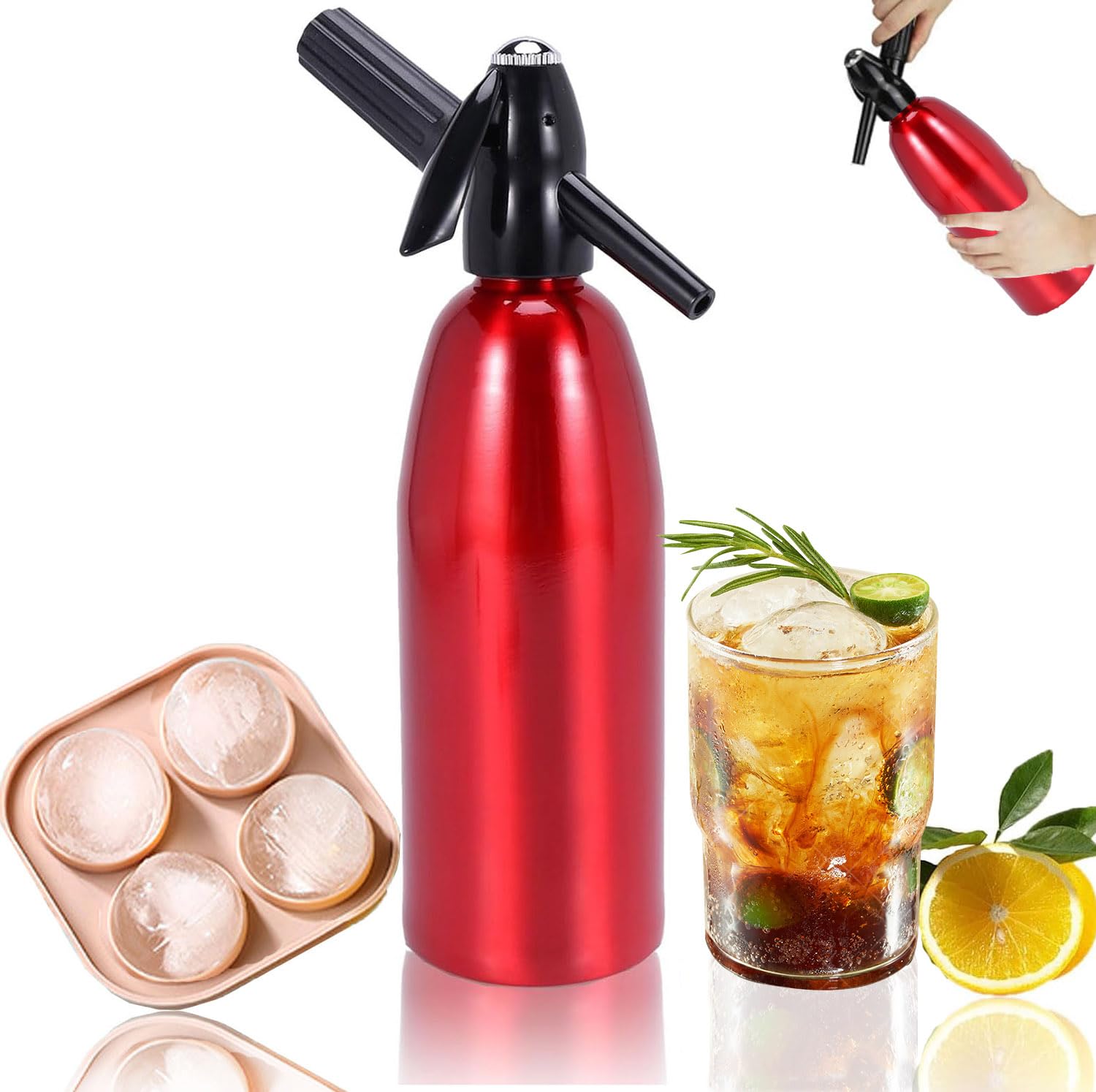
Soda Siphons (The Cartridge-Based “No Tank” Alternative)
While technically still using CO2, soda siphons are often grouped with “soda maker no CO2” discussions because they don’t use the large, bulky CO2 tanks found in systems like SodaStream. Instead, they utilize small, disposable CO2 cartridges.
How they Differ:
Soda siphons are typically sleek, portable aluminum bottles with a special head where you insert a small CO2 cartridge [cite: 2 in first search result; 2 in second search result]. They are simple to use: fill with cold water, insert a cartridge, and release the gas to carbonate.
Pros: Portable, easy to use, and don’t require large tanks.
Cons: Still rely on single-use CO2 cartridges, which generate waste, and the cost of cartridges can add up.
Choosing Your Fizz: What’s Right for You?
Deciding on the best “soda maker no CO2” solution depends on your priorities:
- For ultimate convenience and versatility: A machine like the Sparkel system might be ideal, allowing carbonation of various liquids with multiple fizz levels without tank exchanges.
- For budget-conscious and experimental minds: The baking soda and citric acid DIY method offers a cheap, hands-on approach, provided safety precautions are followed.
- For natural, unique flavors: Fermentation is a rewarding, albeit time-consuming, path to homemade bubbly drinks.
- For portability and sleek design (still using small CO2): A soda siphon is a classic choice.
Consider the desired fizz level, the frequency of use, and your comfort with handling chemical reactions or specific equipment.
Tips for Perfect Homemade Carbonation
No matter which “soda maker no CO2” method you choose, a few universal tips will enhance your carbonation experience:
- Start Cold: CO2 dissolves much more efficiently in cold water. Always use chilled liquids for the best fizz [cite: 1 in third search result].
- Seal It Tight: For DIY methods, a tight seal is crucial to prevent CO2 gas from escaping before it can dissolve into your drink.
- Experiment with Levels: Don’t be afraid to adjust the amount of carbonating agents or the duration of infusion to find your preferred level of fizz.
- Gentle Mixing: After carbonating, a gentle shake can help distribute the CO2 evenly, but avoid vigorous shaking, especially when opening, to prevent excessive fizz and spills [cite: 3 in third search result].
- Storage Matters: Store your homemade carbonated beverages in the refrigerator in tightly sealed bottles to maintain their fizz for longer.
The Future of Fizzy Drinks: Innovation and Sustainability
The evolution of the “soda maker no CO2” market, spearheaded by products like Sparkel and the continuous refinement of DIY techniques, highlights a growing trend towards greater control, sustainability, and personalization in home beverage making. As consumers increasingly prioritize eco-friendly options and seek to minimize waste, innovative solutions that reduce reliance on single-use components or large gas canisters will undoubtedly continue to gain popularity. The ability to create your own fizzy drinks, tailored to your taste and values, is not just a passing fad but a testament to a more conscious and creative approach to hydration.
Frequently Asked Questions
Q: Can I really make soda without CO2 at all?
A: All true carbonated beverages require dissolved carbon dioxide (CO2). When people refer to “soda maker no CO2,” they mean systems that generate their own CO2 internally (like Sparkel with sachets) or use methods that don’t rely on external, refillable CO2 tanks (like DIY baking soda/citric acid methods or natural fermentation).
Q: Is the Sparkel system truly “CO2-free”?
A: No, it’s not CO2-free. The Sparkel system generates CO2 internally through a chemical reaction between baking soda and citric acid in its sachets, which is then used to carbonate your drink. It simply doesn’t require separate, bulky CO2 tanks.
Q: Are homemade carbonation methods safe?
A: When done correctly and with appropriate precautions, many DIY methods, particularly using baking soda and citric acid in sturdy plastic bottles, can be safe. However, methods involving dry ice or fermentation require advanced knowledge and extreme caution due to pressure buildup risks. Always use strong plastic bottles, never glass, for DIY carbonation under pressure.
Q: How long does the fizz last with a “soda maker no CO2” system?
A: The longevity of fizz can vary. Machine-based systems like Sparkel often produce fizz that lasts for several days to a week when stored properly in a sealed bottle in the refrigerator. DIY methods may result in fizz that dissipates more quickly due to less precise control over pressure and CO2 dissolution.
Q: Can I carbonate more than just water with these methods?
A: Yes! Systems like Sparkel are designed to carbonate a wide range of liquids, including juices, teas, and flavored water. Many DIY methods can also be used with various beverages, allowing for creative concoctions, though results may vary based on the liquid’s composition.
Conclusion
Embracing a “soda maker no CO2” approach opens up a world of possibilities for enjoying sparkling beverages at home. Whether you opt for the ingenuity of the Sparkel system or delve into the exciting realm of DIY carbonation with baking soda, citric acid, or even fermentation, you’re taking a step towards greater convenience, potential cost savings, and a more sustainable lifestyle. The journey to perfectly personalized fizz is an enjoyable one, filled with experimentation and the satisfaction of crafting your own delightful drinks. So, go ahead, explore these innovative methods, and let your culinary creativity bubble over!