Are you tired of constantly buying and exchanging CO2 cylinders for your soda maker? Does the thought of single-use plastic bottles make you cringe, even when opting for homemade sparkling water? You’re not alone. Many beverage enthusiasts are on the hunt for a more convenient, sustainable, and truly hassle-free way to enjoy bubbly drinks at home. The idea of a Soda Maker Without Co2 cylinders seems like a dream, and while it might sound like a paradox, innovation has brought us closer to that reality than you might think.
Imagine crafting your favorite fizzy beverages without the constant worry of running out of gas or dealing with bulky CO2 tanks. This guide will dive deep into what a soda maker without CO2 truly means, exploring groundbreaking technologies and dispelling common myths, so you can make an informed choice for your home and lifestyle.
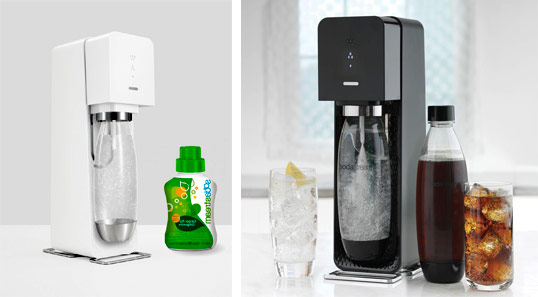
The Quest for a “CO2-Free” Soda Maker: Understanding the Nuance
When people search for a soda maker without CO2, they often have a clear goal: to eliminate the need for those familiar, refillable (or disposable) CO2 cylinders. However, the term can be a bit tricky. True carbonation, the process of dissolving carbon dioxide gas into a liquid under pressure, inherently requires CO2. So, what exactly are people looking for, and what are the actual solutions available?
Many products are marketed as “portable soda makers without CO2 cylinders” or similar phrases. It’s crucial to understand that in many cases, this simply means the initial purchase of the device does not include the CO2 cylinder itself; you still need to buy one separately to operate it. These traditional systems, while excellent for making sparkling water, still rely on external CO2 tanks. The true innovation lies in systems that generate the necessary CO2 internally or use alternative methods to carbonate beverages, effectively removing the need for a separate, bulky cylinder exchange program.
The desire to move beyond traditional CO2 cylinders stems from several pain points:
- Convenience: Remembering to buy or exchange cylinders can be a chore.
- Cost: The ongoing expense of CO2 refills adds up over time.
- Environmental Impact: While refillable, the production and transportation of these cylinders still have a footprint, and some users worry about disposable options.
- Space: Storing extra cylinders can be inconvenient in smaller kitchens.
Spärkel: The Revolutionary Sachet-Based Carbonation System
For those truly seeking a soda maker without CO2 cylinders, the Spärkel Beverage System stands out as a genuine innovator. Unlike conventional soda makers that require pressurized CO2 tanks, Spärkel uses a unique sachet system to create fizz.
How Does the Spärkel System Work?
The magic behind Spärkel lies in its proprietary carbonator sachets. Each sachet contains a blend of food-grade ingredients that, when combined with water in a sealed internal chamber, chemically react to produce CO2 gas. This gas is then infused directly into your beverage bottle, carbonating it. The beauty of this process is that the sachet ingredients never come into contact with your drink; only the pure CO2 gas does. This eliminates the need for external CO2 tanks, making it a truly cylinder-free solution for home carbonation.
Benefits of Sachet-Based Carbonation:
- No CO2 Cylinders, Ever: This is the most significant advantage. You’ll never have to worry about running out of a cylinder, finding a store for exchanges, or dealing with the logistics of returning empties.
- Carbonate Anything: One of Spärkel’s most impressive features is its ability to carbonate virtually any cold liquid directly in the bottle – water, juice, wine, cocktails, tea, and even infused concoctions. Traditional soda makers are typically limited to carbonating only plain water before adding flavors.
- Fresh Fizz On-Demand: Each sachet provides the perfect amount of CO2 for a single bottle, ensuring consistent carbonation every time.
- Reduced Environmental Footprint: While the sachets are single-use, they eliminate the need for aluminum CO2 cylinders and significantly reduce reliance on store-bought sparkling drinks in plastic bottles, contributing to less overall waste.
- Convenience and Portability: Without a bulky cylinder, the system can be more compact, though it still requires a power source.
Considerations for Spärkel:
- Proprietary Sachets: You are tied to purchasing Spärkel’s specific carbonator sachets, which are an ongoing cost.
- Waste: While it reduces cylinder waste, it introduces sachet waste. However, the sachets are generally small and often contain biodegradable components.
- Initial Cost: The Spärkel system may have a higher upfront cost compared to some basic traditional soda makers.
Beyond Traditional: Exploring Other “No-Cylinder” Options
While Spärkel offers a truly cylinder-free carbonation experience, it’s worth clarifying other options that might appear in searches for a soda maker without CO2.
- “Cylinder Not Included” Models: Many portable or budget-friendly soda makers are advertised as “without CO2 cylinder” to lower the initial price point. These devices still function by requiring a standard CO2 cylinder (often 60L threaded tanks) that you must purchase separately. They are not operating without CO2 gas; they simply don’t come with the gas supply bundled. Always read product descriptions carefully to distinguish between “no cylinder included” and “no cylinder required.”
- Hand-Pump Carbonators: A few niche products exist that claim to carbonate water using a hand pump mechanism. While these might avoid gas cylinders, the level and consistency of carbonation are often significantly lower, and the effort involved can be considerable. These are rare and typically don’t achieve the same quality of fizz as CO2-based systems.
DIY Carbonation: The Advanced Enthusiast’s Route
For the most dedicated fizz fanatics, there are advanced DIY methods that allow for carbonation without relying on small, proprietary CO2 cylinders, though they still utilize CO2 gas. These often involve:
- Large CO2 Tanks and Regulators: Some enthusiasts set up home carbonation systems using large industrial-grade CO2 tanks (like those used for welding or brewing) connected via regulators and specialized lines to beverage bottles or kegs. This offers significant cost savings per liter of CO2 but requires a considerable upfront investment in equipment and technical know-how. It’s a powerful solution but not what most people envision when searching for a simple “soda maker without CO2.”
- Dry Ice: Another method involves using food-grade dry ice (solid CO2) to carbonate beverages. When dry ice sublimes (turns directly from solid to gas) in a sealed container, it releases CO2 that dissolves into the liquid. This can be effective but requires careful handling of extremely cold dry ice and precise measurement to avoid over-carbonation or safety issues. It’s more of an occasional party trick than a daily home carbonation method.
Why Choose a “CO2-Free” Approach? Benefits Beyond the Fizz
Opting for a system like Spärkel that negates the need for traditional CO2 cylinders offers a myriad of advantages that go beyond just convenience.
- Environmental Stewardship: Reducing reliance on CO2 cylinder manufacturing and transportation, along with minimizing single-use plastic bottles, significantly lowers your household’s environmental footprint. Every sparkling drink you make at home is one less plastic bottle ending up in a landfill.
- Cost Efficiency (Long-Term): While sachets have a cost, for many, the cumulative savings from not buying bottled sparkling water or sodas far outweigh the expense. You also avoid the recurring costs or hassles of cylinder exchange programs.
- Unmatched Convenience: The ability to carbonate any cold beverage without the interruption of empty cylinders transforms your drink-making routine. It means spontaneous sparkling wine for dinner or fresh fizzy juice for the kids is always just moments away.
- Healthier Lifestyle Choices: A home soda maker encourages you to experiment with natural flavors, reducing your intake of artificial sweeteners and preservatives found in many store-bought sodas. Carbonating water and adding fresh fruit or herbs is a simple way to stay hydrated and healthy.
- Creative Freedom: With systems like Spärkel, the possibilities are endless. Carbonate homemade lemonade, create sparkling cocktails, infuse water with unique fruit and herb combinations, or even re-fizz a flat soft drink. This opens up a world of beverage creativity that traditional water-only carbonators cannot match.
Choosing Your Ideal Soda Maker: What to Consider
When deciding if a soda maker without CO2 cylinders is right for you, consider these factors:
- Ease of Use: How straightforward is the operation? Do you prefer a simple button press or a more hands-on approach?
- Operating Cost: Evaluate the ongoing cost of carbonator sachets versus traditional CO2 cylinder refills. Factor in your consumption habits.
- Beverage Versatility: Do you primarily want sparkling water, or do you dream of carbonating juices, wines, and other concoctions?
- Environmental Impact: Assess which system aligns best with your sustainability goals.
- Portability and Design: How much counter space do you have? Do you need a system you can easily move or take with you?
Expert Insight: A Fresh Perspective on Fizz
“The future of home carbonation isn’t just about making bubbles; it’s about intelligent design and seamless integration into our daily lives,” says Elara Vance, a leading food technology innovator. “Systems that liberate us from the cyclical chore of CO2 cylinder management, like the sachet-based carbonators, are truly game-changers. They empower consumers with unparalleled flexibility and significantly reduce the environmental friction associated with enjoying sparkling drinks.”
Frequently Asked Questions About Soda Makers Without CO2
How does a soda maker without CO2 cylinders actually work?
True soda makers without CO2 cylinders (like the Spärkel system) use proprietary sachets that contain ingredients. These ingredients react when mixed with water in a sealed chamber within the device, generating food-grade CO2 gas that is then infused into your beverage. This process eliminates the need for external, bulky CO2 tanks.
Is the Spärkel system truly CO2-free?
No, the Spärkel system is not “CO2-free” in the sense that it doesn’t use carbon dioxide. It is “CO2 cylinder-free,” meaning it doesn’t require separate, external CO2 tanks. It generates CO2 gas internally from its carbonator sachets to carbonate your drinks. The carbon dioxide is still the agent of fizz.
Are sachet-based systems more environmentally friendly?
Many users consider sachet-based systems more environmentally friendly because they eliminate the need for large aluminum CO2 cylinders and drastically reduce the purchase of single-use plastic bottles. While the sachets themselves are a form of waste, their overall lifecycle impact is often lower than the alternatives, especially when considering the manufacturing and distribution of cylinders.
Can I carbonate juice or wine with these systems?
Yes, this is one of the significant advantages of certain “CO2-cylinder-free” systems like Spärkel. They are designed to carbonate a wide variety of cold liquids, including water, juices, wine, cocktails, and teas, directly in the bottle. This offers much greater versatility compared to traditional soda makers, which usually only carbonate water.
What are the running costs of a soda maker without CO2 cylinders?
The running costs for a sachet-based system typically involve the recurring purchase of the carbonator sachets. The price per sachet can vary, so it’s essential to compare it to the cost per liter of sparkling water made with traditional CO2 cylinders, as well as the cost of store-bought sparkling beverages, to determine the most economical option for your usage.
Conclusion
The pursuit of a soda maker without CO2 cylinders reflects a growing desire for convenience, sustainability, and creative freedom in our kitchens. While the term requires careful interpretation—true carbonation always involves CO2 gas—innovative solutions like the Spärkel Beverage System genuinely deliver on the promise of eliminating bulky tanks through ingenious sachet-based technology.
By embracing these modern approaches, you’re not just making sparkling water; you’re stepping into a world of endless beverage possibilities, contributing to a greener planet, and simplifying your daily routine. Whether you’re a casual sparkling water drinker or a mixology enthusiast, exploring these alternatives can transform your hydration habits and elevate your home entertaining. It’s time to break free from the cylinder cycle and discover the effortless fizz that awaits you.